
Copyright Protection in the Digital Age: Its Impact on Creators
The internet has transformed how we communicate, engage, create, and entertain. Today, individuals around the world are creators in various forms. Whether it’s sharing a post, updating a status, or expressing ideas on social media or YouTube, all these activities are acts of creation. In this digital age, anyone with a social media account—be it a person or a business—can be regarded as a creator. As a result, under Intellectual Property Rights (IPR) laws, content creators on platforms like social media and YouTube seek ownership, recognition, and the right to reproduce their work.
The Significance of Copyright in Intellectual Property Law
Copyright laws protect different types of creative work. The Copyright Act of 1957 covers a wide range of creations like paintings, sculptures, photos, architectural designs, books, music, sound recordings, and films.
In simple terms, any original content made on platforms like YouTube—whether it’s a dance video, music, short film, tutorial, reaction video, or sketch—is protected by copyright. These creations are considered unique and are legally protected under copyright laws.
YouTube Copyright Safeguards
The Copyright Act protects original creations, whether they are known now or will be created in the future, as long as they can be reproduced, viewed, or shared through technology. This means that YouTube videos are just as protected by copyright laws as TV shows or movies.
The Act grants copyright holders exclusive rights, which include the ability to:
- Replicate the copyrighted material.
- Modify the original copyrighted work to create new versions.
- Transfer copies to others by selling, leasing, or giving ownership.
- Play the copyrighted works for an audience, either live or via the internet.
- Make the copyrighted work visible to the public, like images or clips from a video.
The Fair Use Doctrine
The Copyright law has a “Fair Use” rule, which lets people use copyrighted material without permission in some situations. Section 107 of the Copyright Act explains what courts look at to decide if the use is fair:
- Purpose: Whether the use is for business or educational reasons.
- Type of Work: What kind of copyrighted work is being used.
- Amount Used: How much of the work is used compared to the whole.
- Market Effect: How the use affects the original work’s market value or sales.
Copyright Issues on YouTube
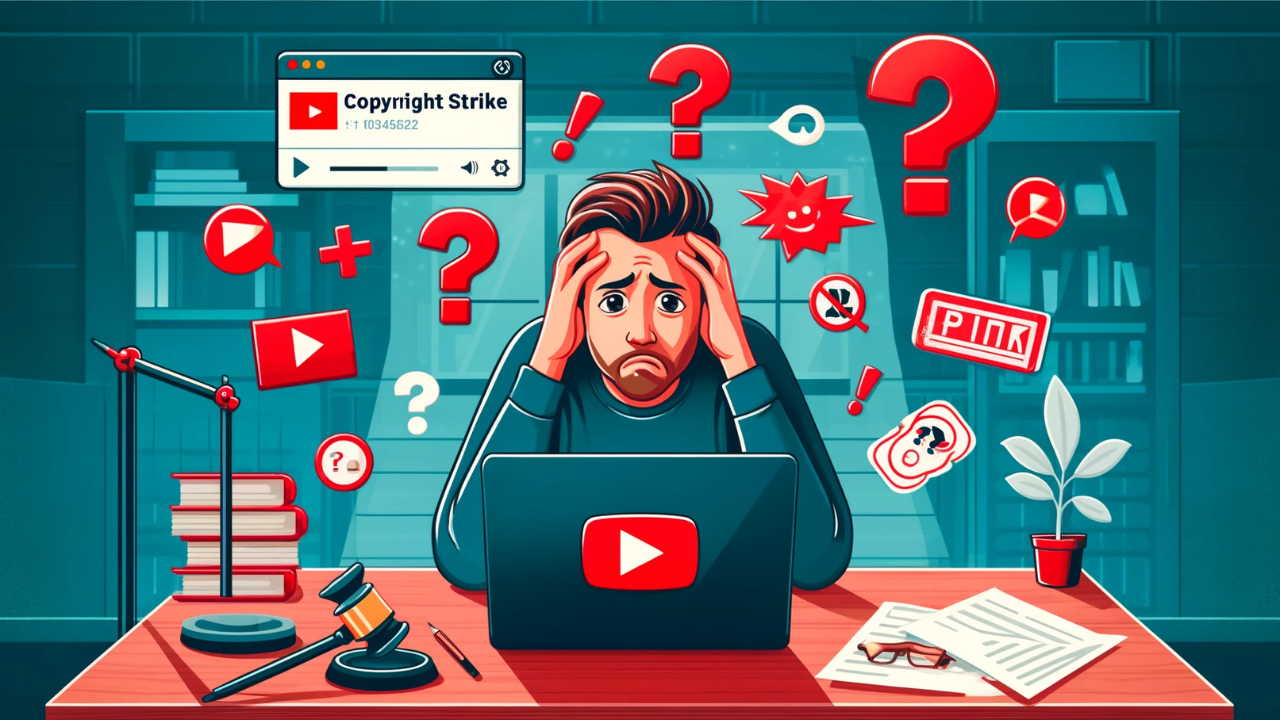
Although copyright laws are well-established, YouTube creators often face difficulties when using content from others. Many creators include clips or portions of other works to make their videos more engaging or entertaining. However, copyright enforcement can sometimes be too harsh, with creators issuing strikes without prior notice. As a result, videos can be removed, hidden, or blocked unexpectedly. Moreover, smaller creators, particularly those with fewer subscribers, sometimes use copyrighted material without facing any penalties.
Conclusion:
In a world where IP laws are often overlooked, creators may view copyright issues as obstacles rather than opportunities. If these laws were as widely understood as traffic rules, they could foster better collaboration and higher earnings. By embracing IP rights, creators can unlock more chances for creativity, fair use, and financial success.
Disclaimer:
This blog is intended for informational purposes only and should not be construed as legal advice. For any specific legal issues, it is advisable to consult a qualified legal professional. The content provides general insights into copyright laws and may not encompass all aspects or detailed legal interpretations of the law.