Trademarks_When_Distinctiveness_Becomes_an_Exception_to_Descriptiveness1

Trademarks

Introduction

In today’s competitive marketplace, a trademark is more than just a legal right—it’s a brand’s identity and personality. It not only helps consumers recognize and differentiate products or services but also acts as a powerful marketing tool that creates loyalty and trust. The visual or linguistic mark by which a business is remembered often becomes inseparable from its reputation.

Under Indian trademark law, not every name, word, symbol, or phrase is eligible for registration. The Trade Marks Act, 1999 lays down both absolute and relative grounds for refusing a trademark application. While relative grounds focus on conflicts with earlier marks, absolute grounds deal with the inherent nature of the trademark itself.

Among these, one of the most significant hurdles is descriptiveness. However, the law also recognizes a crucial exception—when a descriptive mark has acquired distinctiveness or a secondary meaning.

Understanding the Concepts

Descriptive Marks

These marks directly describe:

  • A feature or quality (e.g., “Cold and Creamy” for ice cream)
  • A purpose or function (e.g., “Cleaner” for detergent)
  • Ingredients (e.g., “Honey Almond” for cereal)

They are generally not inherently distinctive and are barred from registration under Section 9(1)(b) of the Indian Trade Marks Act, 1999.

Distinctiveness / Secondary Meaning

A mark that initially lacks inherent distinctiveness may become distinctive over time through extensive use and recognition by the public. This is known as acquired distinctiveness or secondary meaning.

Examples:

“Best Buy” – originally descriptive, but now distinctive due to widespread recognition.

“Holiday Inn” – once generic/descriptive, now a strong brand.

Legal Framework: Absolute Grounds of Refusal

The absolute grounds for refusal of trademark registration are provided under Section 9 of the Trade Marks Act, 1999. This section aims to prevent the registration of marks that are inherently unfit to function as trademarks.

Section 9

Section 9(1): Lack of Distinctiveness

A mark shall not be registered if:

  • It is not capable of distinguishing the goods or services of one person from those of another;
  • It consists exclusively of descriptive elements, i.e., marks that indicate kind, quality, intended purpose, values, geographical origin, etc.;

It consists of terms customary in current language or trade practices.

Section 9(2): Public Interest Considerations

A mark may be refused if it:

  • Is deceptive or likely to cause confusion;
  • Contains content offensive to religious sentiments;
  • Contains scandalous or obscene matter;
  • Is barred under the Emblems and Names (Prevention of Improper Use) Act, 1950.

Section 9(3): Functional Shapes

A mark may be refused if it consists exclusively of:

  • The shape of goods resulting from their nature;
  • A shape necessary to obtain a technical result;
  • A shape that gives substantial value to the goods.

The absolute grounds for refusal of trademark registration are provided under Section 9 of the Trade Marks Act, 1999. This section aims to prevent the registration of marks that are inherently unfit to function as trademarks.

Descriptiveness vs. Distinctiveness

Descriptiveness vs. Distinctiveness

A descriptive trademark directly conveys information about the characteristics or qualities of the goods or services (e.g., “Crunchy” for chips or “Sweet” for confectionery). Such marks are generally barred from registration under Section 9(1)(b) because they fail to perform the primary function of a trademark—distinguishing the source.

However, the Act provides an important exception

Proviso to Section 9(1): Acquired Distinctiveness

A descriptive or non-distinctive mark can be registered if, before the date of application, it has acquired a distinctive character as a result of its use or is recognized as a well-known trademark.

In essence, even if a mark is inherently weak, it can become strong over time through consistent use, consumer recognition, advertising, and goodwill

Supporting Provision: Section 32

Section 32 offers post-registration protection, stating that if a mark has been wrongly registered in breach of Section 9(1), it shall not be declared invalid if, before the legal challenge, it has acquired distinctive character due to its use

Working Hours

Justfly is a powerful all-in-one camera drone designed for creators on the move. It offers a 1-inch CMOS sensor.

Monday - Wednesday 09:00 AM - 05:00 PM
Thursday - Friday 09:00 AM - 05:00 PM
Saturday - Sunday Closed

Get In Touch!

You have been successfully Subscribed! Ops! Something went wrong, please try again.

Governance, Risk, and Compliance (GRC) for Ethical Business Practices in 2024

In recent years, Governance, Risk, and Compliance (GRC) have undergone significant changes as businesses acknowledge the importance of strong ethical practices. By 2024, this focus has intensified, driven by global challenges, tighter regulations, and higher expectations from customers and stakeholders. Below are the key trends shaping GRC and ethical business practices this year.

  • Emphasis on ESG Integration

Environmental, Social, and Governance (ESG) factors have become a central focus in GRC strategies. Companies are integrating sustainability goals into their operations and prioritizing greater transparency in ESG reporting. Globally, regulators are imposing stricter rules for ESG disclosures, prompting businesses to adopt stronger reporting frameworks and maintain high ethical standards.

Core Message: Companies should integrate ESG into their long-term strategies, prioritizing trust-building and value creation over mere compliance.

  • Applying Technology for Ethical Governance

Innovative technologies like Artificial Intelligence (AI), block chain, and predictive analytics are being more widely adopted to strengthen compliance and ethical practices. AI tools can now identify risks, ensure adherence to regulations, and track unethical behavior in real time.

Core Message: Technology helps drive ethical change by making compliance more proactive and adaptable.

  • Concentrate on Data Protection and Online Security

With the rise of cyber threats, businesses are focusing more on data privacy and cybersecurity within their GRC strategies. Ethical management of customer data is now crucial, as stricter regulations like GDPR and other laws mandate complete compliance.

Core Message: Earning trust from stakeholders involves more than just adhering to data privacy laws; it also requires a genuine effort to protect user information.

  • Strengthening Whistleblower Protections

Organizations are updating their whistleblower policies to make it safer for employees to report wrongdoing. Offering better protections and anonymous ways to report is becoming the norm.

Core Message: Allowing employees to voice concerns without the fear of retribution is essential for building a culture of trust and honesty.

  • Cross-Border Compliance Challenges

As the world becomes more connected, businesses must navigate various rules and regulations across different regions. To address this, companies are developing global compliance programs that are flexible enough to meet local laws and ethical standards.

Core Message: A strong and adaptable GRC strategy can meet both global and local compliance needs, reducing risks and supporting ethical standards.

  • Leadership with Ethics and Company Culture

Ethical business practices start with effective leadership. In 2024, companies are focusing on training leaders to make ethical decisions and foster a culture of responsibility and honesty throughout the organization.

Core Message: Ethical leadership shapes how an organization behaves, setting the standard for compliance and governance at all levels.

Conclusion:
In 2024, ethical business practices are essential for success. Companies that integrate strong GRC frameworks manage risks, meet stakeholder expectations, and build trust. By prioritizing ethics, they strengthen their reputation, adapt to challenges, and foster responsible growth, creating lasting value.

Disclaimer:
This blog highlights current trends in GRC for ethical business practices and does not provide legal, financial, or compliance advice. Organizations should consult professionals or legal experts for guidance on specific issues or requirements.

Step-by-Step Process for MSME Registration Online in 2025 & Government Benefits

Micro, Small, and Medium Enterprises (MSMEs) are key to a country’s economic growth, boosting jobs, innovation, and industry. In India, the government provides various incentives to support MSMEs. With online registration now available in 2025, it’s easier than ever to register your business as an MSME. Here’s a simple guide to help you through the process and the benefits you can receive from the government.

Step-by-Step Process for MSME Registration Online in 2025

Step 1: Visit the Udyam Registration Portal

Go to the official Udyam Registration website (https://udyamregistration.gov.in/), where businesses can easily register as MSMEs online.

Step 2: Create a New Account

If you don’t already have an account, you’ll need to create one by providing basic details such as your business name, contact number, and email address.

Step 3: Select Your Business Type

You’ll be asked to classify your business as micro, small, or medium based on its annual turnover and investment in machinery or equipment:

  • Micro: Investment up to ₹1 crore and turnover up to ₹5 crore
  • Small: Investment up to ₹10 crore and turnover up to ₹50 crore
  • Medium: Investment up to ₹50 crore and turnover up to ₹250 crore

Step 4: Provide Aadhaar Number

You must enter the Aadhaar number of the business proprietor or authorized signatory for verification purposes.

Step 5: Enter Business Details

Enter your business information, including:

  • Legal business name
  • Type of business (Proprietorship, Partnership, LLP, etc.)
  • Business address and contact information
  • Bank account details for verification

Step 6: Enter Investment and Turnover Details

Input information about your business’s investment in plant and machinery (for manufacturers) or equipment (for service providers) and annual turnover.

Step 7: Upload Documents

Upload the required documents, including:

  • Aadhaar number
  • PAN card
  • Bank details (e.g., passbook or canceled cheque)
  • Proof of business address

Step 8: Make a Declaration

Once you’ve reviewed the details, you’ll need to confirm their accuracy and submit your application.

Step 9: Download the MSME Certificate

Once your application is verified, you’ll receive the MSME Registration certificate, which you can download from the portal as proof of registration.

Government Benefits with MSME Registration:-

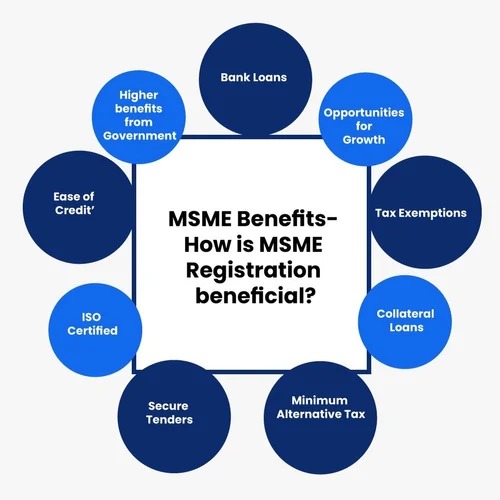
Registering your business as an MSME unlocks several government benefits aimed at supporting small businesses. Here are some of the key advantages you can enjoy:

  • Financial Benefits:
    • Subsidized Loans: MSMEs can take advantage of lower interest rates and loan subsidies available through various government programs.
    • Collateral-Free Financing: Through initiatives like the Credit Guarantee Fund Trust for Micro and Small Enterprises (CGTMSE), MSMEs can secure loans without needing collateral.
    • Reimbursement for Patent Registration: MSMEs can get financial assistance to cover the costs of registering patents, trademarks, and designs.
  • Tax Benefits:
    • Tax Rebate: MSMEs can benefit from tax rebates under the MSME Development Act and pay lower GST rates on certain goods and services.
    • Special Tax Benefits: MSMEs can also take advantage of special income tax relief, exemptions, and rebates available through government schemes.
  • Government Schemes and Subsidies:
    • Prime Minister’s Employment Generation Program (PMEGP): Provides funding to MSMEs to support job creation.
    • MUDRA Scheme: Offers loans up to ₹10 lakh to MSMEs under different categories such as Shishu, Kishore, and Tarun.
    • Technology Upgradation Fund: Grants financial aid to MSMEs for enhancing their technology.
  • Market Access:
    • Preference in Government Tendering Process: MSMEs are prioritized in government contracts, providing them with better access to these opportunities.
    • Eases entry into manufacturing sectors: Certain MSMEs are not required to obtain industrial licenses, easing their entry into the manufacturing sector.

  • Protection against Delayed Payments:
    • MSME Delayed Payment Act: This protects MSMEs from delayed payments by buyers. The law requires interest on late payments, ensuring that MSMEs get paid on time.

  • List of Credit Rating and Support:
    • Credit Guarantee Fund Trust: Government schemes help MSMEs improve their credit ratings, which makes it easier to access financial assistance.
    • Talent Development: The government provides training programs to help MSMEs improve their employees’ skills.

Conclusion:

Registering as an MSME in 2025 is easy and offers access to government benefits like subsidized loans, tax rebates, and collateral-free financing. MSMEs also gain opportunities for technology upgrades, skill development, and government contract preferences. This registration sets businesses up for growth and long-term success with government support.

Disclaimer:
This blog provides general details about MSME registration and government benefits, but it is not intended as legal or financial advice. Businesses should consult legal, financial, or professional experts to ensure compliance with all relevant regulations and requirements.

Unregistered Trademark in India

An unregistered trademark refers to any symbol, word, logo, design, or sign used by a business to distinguish its products or services from others, without being officially registered with the appropriate trademark authority (like the Trademark Office in India). While the absence of registration might seem insignificant, it carries important legal and business consequences.

Key Features of Unregistered Trademarks:

  • Common Law Rights: In places like India, businesses can gain limited legal rights to an unregistered trademark just by using it in commerce. However, these rights are limited to the area where the mark is recognized and used, without the benefits of formal registration.
  • Limited Legal Protection: One significant disadvantage of unregistered trademarks is the absence of nationwide protection. If a competitor adopts a similar mark, it can be difficult to prove ownership and defend against potential infringement without having the mark registered.
  • Challenges in Enforcement: Without official registration, enforcing trademark rights becomes more complex. Businesses with unregistered trademarks may find it harder to stop others from using similar marks, particularly when the infringing business operates in another jurisdiction.
  • No Exclusive Rights:  Unregistered trademarks don’t provide exclusive rights to their use across the entire country. While the first user of the mark may have some legal protection, proving this claim can be difficult without the official backing of registration.

Protection of Unregistered Trademarks:

  • Unregistered trademarks are protected under the principle of passing off.
  • This principle prevents others from falsely linking their goods or services to your business.
  • It safeguards your business reputation from being misused by others.

Advantages & Disadvantages of Unregistered Trademark:

  Advantages  Disadvantages
There is no requirement to complete a formal registration process.Unregistered trademarks do not provide the same level of protection as registered trademarks.
You can still protect your trademark under the passing off law, which prevents others from misusing it.Proving ownership and defending against infringement can be challenging without official registration.
You can use the trademark while deciding whether to apply for registration later.Others can legally use similar marks unless you can prove your reputation and goodwill in the market.
You can start using the trademark right away without waiting for approval or registration.In a dispute, you must prove that your trademark has been used and is associated with your business, which can be time-consuming and costly.

Enforcing Rights for Unregistered Trademark:

The owner can take legal action by filing a civil suit for passing off. Possible remedies include an injunction to halt the infringing activity, compensation for damages, and/or a claim for the profits earned from the infringement.

Best Practices for Unregistered Trademark:

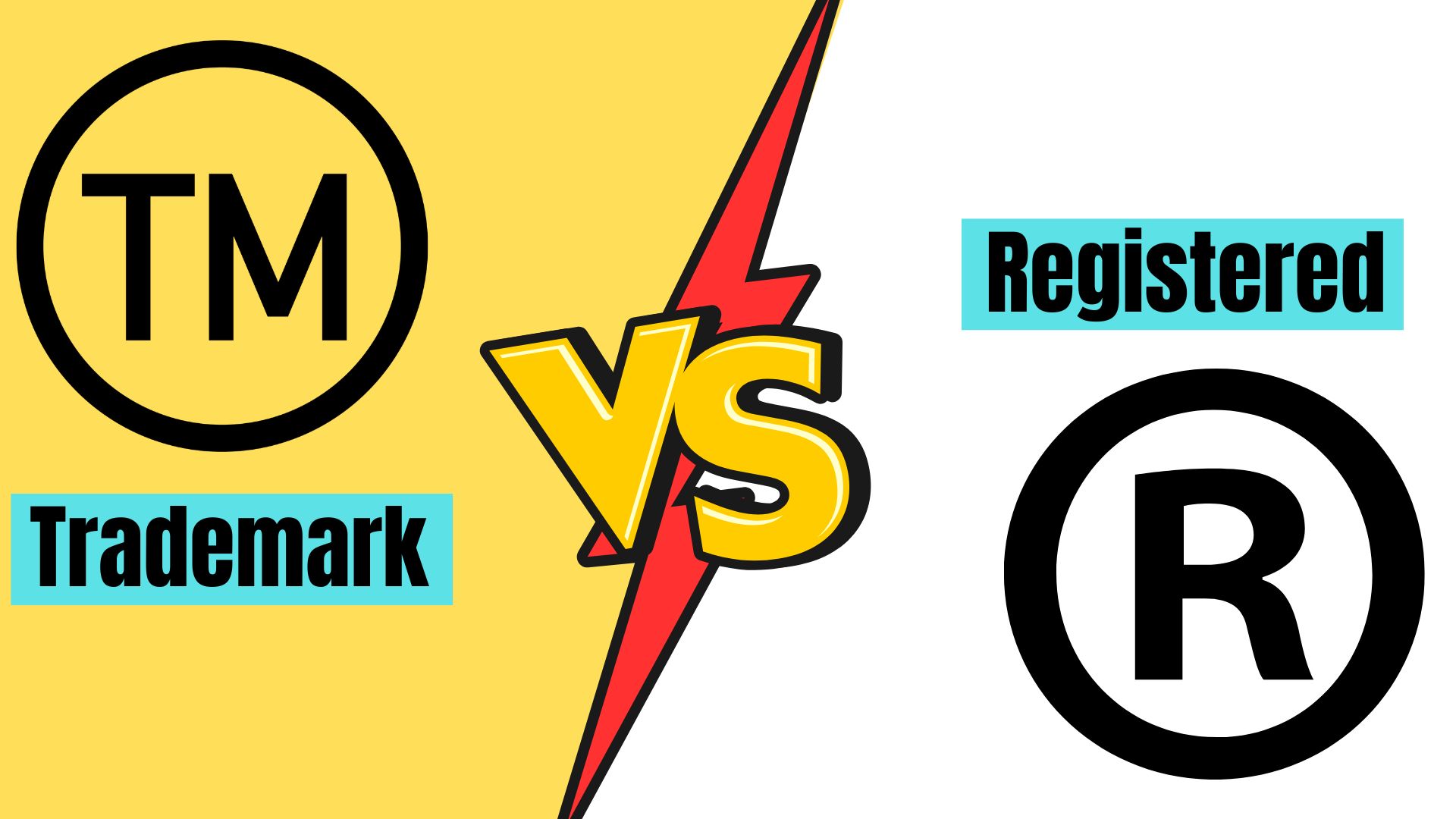
  • Use the ™ symbol consistently to show your intent to claim ownership of the trademark.
  • Keep records of how and when the trademark is used, along with marketing efforts, to build goodwill.
  • Regularly monitor the market to spot any potential infringements.

Case Study: Parle-G: The Gluco Biscuit Challenge

Background: Parle-G, a cherished biscuit brand in India, functioned for years without registering its trademark. Despite the widespread recognition of its iconic yellow packaging and child logo, counterfeit products like “Parle-D” and “Parle-Gluco” began to appear, mimicking the brand’s identity and creating market confusion.

Challenges: Without a registered trademark, Parle had a weak legal position, making it hard to take action against copycats and protect its brand.

Resolution: Realizing the need for legal protection, Parle finally registered its trademark. This allowed the company to fight counterfeiting effectively and protect its reputation as a trusted brand.

Conclusion:

While an unregistered trademark provides some protection, it comes with more risks compared to official registration. Registering your trademark grants you stronger legal rights, enhanced protection against infringement, and greater ability to enforce your trademark. If you’re committed to safeguarding your brand, trademark registration is a wise and beneficial step.

Disclaimer:
This blog is intended for general informational purposes only and does not constitute legal advice. Trademark laws can be intricate and vary based on your specific location and circumstances. For tailored advice, it is advisable to seek assistance from a qualified trademark attorney or legal professional.

Understanding the Differences between Trademark, Patent and Copyright Registration

Understanding the differences between copyrights, trademarks, and patents is crucial for protecting intellectual property (IP). These three forms of protection allow individuals and businesses to safeguard their creative works, designs, and inventions. Each type serves a unique purpose and offers specific protection. Let’s dive into how they differ and how each can benefit you.

Copyright Registration

What is Copyright?

Copyright is a legal protection for creators of original works like books, music, art, and plays. It gives the creator exclusive rights to copy, share, and display their work.

What Does Copyright Protect?

  • Written works like books, articles, and websites
  • Music, audio recordings, and song lyrics
  • Films, plays, and other performance-based works
  • Visual art, such as paintings and sculptures
  • Computer software programs

Benefits of Copyright:

  • Exclusive Rights: Creators have the exclusive right to use, distribute, and sell their works.
  • Protection Against Unauthorized Use: Prevents others from using or copying the work without permission.
  • Monetary Gains: Creators can license or sell their works, earning royalties.
  • Moral Rights: Protects the creator’s reputation and ensures proper credit for their work.
  • Legal Recourse: Provides the option to take legal action against infringement.

Trademark Registration

What is a Trademark?

A trademark is a symbol, word, phrase, logo, or design that is legally registered or recognized to represent a business or its products/services. It helps distinguish the goods or services of one company from those of others, offering protection against unauthorized use or imitation by competitors.

What Does Trademark Protect?

  • Brand names and logos
  • Slogans or taglines
  • Product packaging and design
  • Unique colors or shapes linked to your products
  • Specific brand symbols

Benefits of Trademark:

  • Brand Protection: Safeguards your brand identity from being used by others.
  • Consumer Trust: Builds recognition and trust with consumers, ensuring they can distinguish your brand.
  • Asset Value: Ads value to your business as it can be bought, sold, or licensed.
  • Global Reach: Protects your brand internationally with proper registration.

Patent Registration

What is a Patent?

A patent is a legal right granted to an inventor for a new and innovative invention or process. It gives the inventor exclusive rights to manufacture, use, or sell the invention for a certain period, usually 20 years, and stops others from doing the same without the inventor’s permission.

What Does a Patent Protect?

  • New Inventions: Any novel product, process, or technology that hasn’t been publicly disclosed before.
  • Innovative Processes: Unique methods or procedures used to create a product or achieve a result.
  • Designs: Original designs of manufactured items or product aesthetics.
  • Use of Products: Exclusive rights to use the invention in a specific way.
  • Manufacturing Methods: Protects the techniques used to create or improve products.

Benefits of Patent:

  • Grants exclusive rights to manufacture and sell the patented invention for a fixed duration (usually 20 years).
  • Stops others from creating or selling the same invention without consent.
  • Offers the opportunity to earn revenue by licensing or selling the invention.

Key Differences between Copyright, Trademark, and Patent:-

Factor    Copyright  Trademark  Patent
 PurposeSafeguards original creations of authorship, ensuring creators control the use of their work.Protects distinctive symbols, names, or marks that represent a brand and distinguish it from others.Protects new inventions or technological processes, giving inventors exclusive rights to their creation.
What is ProtectedSafeguards original works like books, art, and music.Protects brand elements like logos, names, and slogans.Protects new inventions, processes, and designs.
DurationStays valid for the author’s lifetime, with protection extending 50-70 years after their death.Lasts as long as the trademark is in active use.  Generally, it is valid for 20 years from the filing date.
EligibilityAutomatically granted when the work is created.Needs to be officially registered with the appropriate authorities.  Must satisfy requirements for novelty and inventiveness.
     ProtectionGrants exclusive rights to reproduce, share, and showcase the work.Protects against unauthorized use of similar logos, names, or branding by others.Gives the exclusive right to manufacture, utilize, and distribute the invention.

Conclusion:
In conclusion, copyright provides creators with essential protection for their original works, giving them exclusive rights to reproduce, distribute, and display their creations. This legal safeguard encourages innovation and ensures that creators can benefit from their efforts.

Disclaimer:
This blog is for informational purposes and does not offer legal or financial advice. For specific advice on copyright, trademark, or patent registration, it is recommended to seek guidance from a legal or intellectual property expert.

Startup India Registration: Your Gateway to Tax Benefits and Funding

India’s startup scene is growing quickly, and with the government’s Startup India Scheme, entrepreneurs have a clear way to start and grow their businesses. Registering under this scheme helps you build a solid foundation for your business and offers benefits like tax breaks and easier access to funding. Here’s why registering with Startup India is a great opportunity for new entrepreneurs.

What is Startup India Registration?

Launched by the Indian government in January 2016, Startup India aims to foster innovation, entrepreneurship, and job creation. The program provides benefits such as tax exemptions, simplified regulations, and financial assistance to startups that register under it. To access these advantages, businesses must meet certain eligibility criteria and apply for recognition under the scheme.

Benefits of Startup India Registration

1. Tax Benefits and Exemptions

A major reason to register under Startup India is the significant tax relief it offers. Some key tax benefits include:

  • Income Tax Exemption for 3 Years:

Startups that are registered under the scheme are not required to pay income tax for the first three years, provided they meet specific conditions. This exemption helps reduce financial strain in the initial phase of the business.

  • Tax Deduction on Investment:

Investors who invest in recognized startups are eligible for a 20% tax deduction on their investments under Section 80-IAC of the Income Tax Act.

  • Exemption from Capital Gains Tax:

If a startup raises funds through equity investments, it may be exempt from capital gains tax, which helps make it more appealing to investors.

These tax benefits offer significant relief, allowing startups to use the saved money for business growth, technology, and innovation.

2. Access to Funding

Securing funding is a major challenge for startups, but Startup India helps by providing access to various government-backed funding options, as well as venture capitalists and angel investors. Some of the available options include:

  • Fund of Funds for Startups (FFS): This government initiative invests in venture capital funds to provide startups with funding ranging from ₹10 lakh to ₹10 crore.
  • Credit Guarantee Scheme: This scheme offers a credit guarantee for loans, making it easier for startups to access bank loans at affordable interest rates.
  • Accelerators and Incubators: Startup India connects startups with incubators and accelerators that provide mentorship, workspace, networking, and seed funding to help them grow.

3. Simplified Legal Procedures

The Startup India registration process makes it easier for startups to meet compliance requirements, offering several key benefits. Startups can self-certify their compliance with nine labor and environmental laws, cutting down on paperwork and saving valuable time. The government also offers a 50% discount on patent and trademark filing fees, making it more affordable for startups to safeguard their intellectual property. Moreover, if a startup needs to close, it can do so within 90 days, allowing entrepreneurs a smooth and quick exit from the business.

4. Networking and Mentorship Opportunities

Joining Startup India gives entrepreneurs great networking opportunities. They can meet industry leaders, investors, and other entrepreneurs who can offer advice and support. The government also hosts many events, seminars, and competitions for startups, helping to encourage innovation and growth.

How to Register for Startup India:-

To register as a startup under the Startup India initiative, follow these steps:

  1. Requirements for Eligibility: Make sure your business is a private limited company, partnership, or LLP with an annual turnover below ₹100 crore.
  1. Registration Process: Go to the official Startup India portal and complete the online application. You will be required to provide documents such as proof of registration, your business model, and information about the founders.
  1. Government Recognition: Once your registration is approved, your startup will receive a certificate, unlocking various tax benefits and funding opportunities.

Conclusion:
Registering your startup under the Startup India initiative is more than just a requirement; it offers many benefits that can help your business grow in its early stages. With tax breaks, easier access to funding, simpler rules, and a large support network, Startup India lets entrepreneurs focus on innovation and growth without worrying about financial or legal issues. If you’re an aspiring entrepreneur, don’t miss this chance to give your startup the boost it needs !

Disclaimer:
This blog is for informational purposes only and not legal or financial advice. For accuracy and guidance, please consult a legal or financial expert before registering for Startup India or any business-related matters.

Why Every Startup Needs to Conduct Due Diligence Before a Fundraising Round

In the fast-paced startup world, fundraising rounds are crucial for growth. However, before seeking investment, startups must complete due diligence—an in-depth review of financials, legal documents, intellectual property, and operations. This ensures transparency, reduces risks, and builds investor trust.

Here’s why due diligence is essential before fundraising:

  • Establishes Investor Confidence:

Investors want to be sure that a startup is reliable, stable, and ready to grow. A solid due diligence process shows that the business has been managed properly, with its financial and legal matters in order. When a startup provides clear and organized documentation, it builds trust and confidence in its potential for success.

  • Detects Issues Before They Arise:

 Due diligence helps spot any legal or financial problems that could impact fundraising. Whether it’s an intellectual property dispute, incorrect financial records, or unclear ownership, finding these issues early gives the startup a chance to fix them before approaching investors. This not only builds trust but also reduces the chances of problems during negotiations.

  • Strengthens Valuation:

A through due diligence process ensures a startup’s valuation is accurate, backed by solid data, and includes verification of assets, liabilities, and revenue. This boosts investor confidence and improves the chances of securing favorable investment terms.

  • Enhances Negotiation Leverage:

When investors see a startup is well-prepared and transparent, it boosts the startup’s ability to negotiate better terms. Doing due diligence shows professionalism and readiness, helping secure more favorable conditions during fundraising rounds.

  • Streamlines the Fundraising Process:

Due diligence can take time and effort, but by preparing it ahead of time, startups can simplify the fundraising process. Having all documents and compliance ready reduces the chances of delays or complications during negotiations.

  • Validates compliance with applicable laws:

Investors want assurance that a startup adheres to all necessary regulations, including tax, labor, and industry-specific laws. Due diligence ensures the startup is in compliance, reducing the likelihood of future legal challenges.

Conclusion:
Due diligence is an important step for startups seeking funding. It helps identify and fix issues early, boosts investor confidence, improves negotiations, and prepares the business for growth. Taking time to complete due diligence before fundraising is an investment in the startup’s future success.

Disclaimer:
This blog provides general information and should not be taken as legal or financial advice. For personalized guidance on due diligence or fundraising rounds, it is recommended to consult qualified legal, financial, or business professionals.

Blog on Secretarial Audits: Preventive Measures for Corporate Health

In today’s fast-paced business world, compliance with laws is crucial for smooth operations. One effective way to ensure this is through Secretarial Audits.

A Secretarial Audit is a detailed review of a company’s adherence to laws and regulations, focusing on company law, corporate governance, and legal obligations. It aims to identify non-compliance and recommend corrective actions to ensure full legal compliance.

Importance of Secretarial Audits

  • Conformance to Legal Norms: A secretarial audit ensures the company stays on top of all crucial legal requirements, particularly those outlined in the Companies Act, 2013, and other regulations. Non-compliance can lead to hefty fines, legal troubles, or reputational harm, making audits an indispensable tool for strong corporate governance and long-term success.
  • Risk Prevention for Corporate Stability: A secretarial audit acts as an early warning system for the company, identifying potential risks before they escalate. It helps uncover issues that could harm corporate health, like missed deadlines or governance lapses, enabling swift corrective measures.
  • Advanced Governance Practices: Secretarial audits help companies follow corporate governance best practices, improving transparency, accountability, and ethics, while strengthening stakeholder trust and market position.
  • Minimizing Risks: By spotting and fixing legal, financial, and operational risks early, companies can avoid disruptions and penalties. Regular audits help them stay on top of these risks, ensuring long-term stability.

Key Areas Covered in a Secretarial Audit:

A secretarial audit helps ensure that a company complies with various legal and regulatory requirements. It verifies whether the company adheres to the Companies Act, 2013, including maintaining records, filing annual returns, and holding required meetings. The audit also assesses the company’s corporate governance practices, ensuring that the board operates effectively, there are no conflicts of interest, and shareholder rights are protected. In addition to corporate laws, the audit checks compliance with other legal requirements, such as labor and environmental regulations. While its primary focus is on legal and governance aspects, the audit also ensures that the company follows proper financial reporting and tax compliance.

Benefits of Secretarial Audits

  • Preventing Fines: adhering to the law helps companies steer clear of expensive fines, legal issues, and business interruptions.
  • Cultivating Strong Brand Authority: Companies that maintain strong governance and compliance gain trust and attract investors, customers, and partners.
  • Boosting Operational Effectiveness: Secretarial audits identify weaknesses and areas for improvement, helping companies enhance efficiency.
  • Smart Decisions: The audit offers valuable compliance insights, guiding management in making better business decisions.

Conclusion:

Secretarial audits are key to protecting a company’s legal standing and ensuring long-term success. By proactively ensuring compliance and governance, companies reduce risks, enhance transparency, and stay within the law. Regular audits promote strong corporate practices, fostering sustainable growth and business resilience.

Disclaimer:
This blog is for informational purposes only and should not be considered legal advice. For specific concerns related to secretarial audits, corporate compliance, or any other legal matter, it is recommended to consult a qualified professional or corporate consultant.

How to Choose the Best Legal Entity for Your Business in India

Starting a business in India involves making one of the most important decisions: choosing the right legal entity for your venture. The structure you select will affect your personal liability, tax obligations, funding options, and overall management. It will also shape how you engage with clients, the legal protections you have, and the potential for financial growth.

Understanding the Different Legal Entities

In India, businesses can choose from various legal structures, each with its own set of benefits and drawbacks. Below are some of the most common business entity types:

  • Sole Proprietorship: This is the simplest and most common business structure. It requires minimal paperwork and is easy to establish. However, the owner assumes unlimited personal liability, meaning personal assets could be at risk if the business encounters financial or legal issues.
  • Partnership: In a partnership, two or more individuals share the business’s profits, losses, and responsibilities. While forming a partnership is straightforward, partners are still personally liable for business debts, putting their personal assets in jeopardy.
  • Limited Liability Partnership (LLP): An LLP merges the features of a partnership and a limited company. The main advantage is that partners enjoy limited liability, meaning their personal assets are protected in case the business faces financial trouble. As a separate legal entity, an LLP can own property and take on liabilities independently.
  • Private Limited Company: A Private Limited Company (Pvt Ltd) is a popular option for small to medium-sized businesses. It offers limited liability for its shareholders, and the company itself is treated as a separate legal entity. This structure is ideal for businesses that plan to raise funds or attract investors.
  • Public Limited Company: A Public Limited Company functions similarly to a Private Limited Company, but it can offer shares to the public. This structure requires more regulatory oversight, including audits and a larger board of directors, making it suitable for businesses looking to expand significantly or raise capital through the stock market.
  • One Person Company (OPC): The One Person Company (OPC) is a new concept in India, designed for individual entrepreneurs. It provides limited liability protection while allowing the business to be operated by a single person. It’s a great option for those who wish to run their own business with the protection of a separate legal entity.

Factors to Consider When Choosing a Legal Entity

  • Liability Protection: Want to shield your personal assets from business risks? Consider structures like LLPs, Private Limited Companies, or One Person Companies, which provide strong liability protection.
  • Tax Benefits: Different business structures come with different tax implications. Sole proprietorships and partnerships are taxed as personal income, while companies enjoy lower tax rates and can access various exemptions and deductions. Choose wisely based on your tax needs.
  • Funding & Investment Opportunities: Planning to raise capital? A Private Limited Company or LLP makes it easier to attract investors by allowing share issuance and providing smoother access to funding.
  • Management Flexibility: How much control do you want over your business? Sole proprietorships and partnerships offer more freedom, while companies follow a structured management system.
  • Compliance & Paperwork: Larger structures like Private Limited Companies come with greater compliance demands—think regular filings, audits, and annual meetings. Be sure you’re ready for the level of paperwork required.
  • Growth Potential: If you’re aiming for big expansion and long-term growth, a Private or Public Limited Company could be the right fit. For smaller, more agile businesses, a Sole Proprietorship or LLP may be a better choice.

Conclusion:

Selecting the right legal structure for your business in India involves considering factors like liability protection, tax advantages, funding needs, and overall business objectives. It’s important to carefully evaluate the benefits and drawbacks of each option to choose the one that aligns best with your goals. For personalized guidance, it’s wise to consult with a legal or business expert to ensure you make the right choice for your unique business needs.

Disclaimer:
This blog is meant for general informational purposes and should not be taken as legal or financial advice. For personalized assistance in choosing the right legal entity for your business in India, it is advisable to consult with a qualified Professional expert.

Foreign Direct Investment (FDI) in Limited Liability Partnerships (LLPs)

Foreign Direct Investment (FDI) is important for economic growth and globalization. It helps businesses expand, innovate, and compete worldwide. In India, FDI is now allowed not just in companies but also in Limited Liability Partnerships (LLPs), providing new opportunities for foreign investors and Indian businesses.

Understanding LLPs and FDI:-

A Limited Liability Partnership (LLP) is a business structure that combines the flexibility of a partnership with the limited liability protection of a company. It is popular among small and medium businesses because it offers simpler compliance, tax advantages, and ease of operation. With FDI now allowed in LLPs, they have become a great option for foreign investors.

FDI Policy for LLPs in India:-

The Government of India has allowed FDI in LLPs under specific guidelines to ensure transparency and compliance with regulatory standards. Key highlights of the FDI policy for LLPs include:

  • Automatic Approval Process: FDI is allowed under the automatic route for LLPs operating in sectors where 100% FDI is permitted without restrictions, such as retail trading and manufacturing. The LLP must adhere to sectoral caps and applicable conditions similar to those for the companies.
  • Restricted Sectors: LLPs are not allowed to accept FDI in sectors where foreign investment is prohibited such as agriculture, real estate, and gambling.
  • Capital Contribution: Foreign investors can put money into LLPs, but LLPs are not allowed to raise funds through external commercial borrowings (ECBs) under current rules.
  • Company to LLP Conversion: Companies with FDI can be converted into LLPs if they operate in sectors that allow 100% FDI under the automatic route.
  • Profit Remittance:-LLPs with FDI can repatriate profits without needing additional approvals, making it an attractive option for foreign investors.

Advantages of FDI in LLPs :-

FDI in LLPs offers multiple advantages for both foreign investors and the Indian economy.

  • Autonomy in Operations: LLPs have a simpler structure than companies, which makes it easier for foreign investors to meet requirements.
  • Cost-Effectiveness: LLPs have lower running and compliance costs, making them a more affordable investment choice.
  • Models for Distributing Profit: The flexible profit-sharing system of LLPs is a good fit for the interests of foreign investors.
  • Operational Ease: The simple FDI process through the automatic route makes it easier for foreign investors to enter the Indian market.

Challenges and Considerations:-

While FDI in LLPs presents significant opportunities, it also comes with challenges:

  • Restricted Sectors: Investors should carefully review sector restrictions to ensure they comply with the regulations.
  • Limited Funding Options: The ban on ECBs restricts external borrowing options for LLPs.
  • Regulatory Compliance: It is essential to follow FDI rules, tax regulations, and reporting requirements to prevent penalties.

Conclusion:

FDI in LLPs is a strategic decision that aligns with India’s aim of fostering a business-friendly environment and drawing global investments. LLPs offer foreign investors a strong combination of flexibility, transparency, and cost-effectiveness. By navigating the regulations and leveraging the benefits of this structure, investors can tap into the vast opportunities within the Indian market and contribute to its economic growth.

With changing policies and growing investor interest, FDI in LLPs is set to play a significant role in shaping India’s business landscape.

Disclaimer:
The views in this blog are solely those of the author(s) and may not reflect the position of any mentioned organization. The content is for informational purposes only, and the author(s) are not responsible for any actions taken based on it. Readers should verify the information independently.