

The Ministry of Corporate Affairs (MCA) in India plays a key role in managing and regulating business activities across the country. Its main job is to make sure companies follow the rules set out in the Companies Act, 2013, and other related laws. The MCA is in charge of registering companies, ensuring they meet all legal requirements, and submitting necessary reports. It also works to ensure businesses operate responsibly by promoting transparency, fairness, and good corporate governance, which helps maintain trust and accountability in India’s corporate world.
Key Functions:
- Overseeing Companies: The MCA is responsible for enforcing the rules of the Companies Act, 2013, which outlines how companies are formed, run, and closed. The MCA ensures that companies follow these laws, file their reports on time, and keep their financial records clear and accurate for the public.
- Corporate Leadership and Investor Safety: The MCA sets rules to help companies manage well and act with honesty. It also makes sure companies provide the right information and follow auditing rules, protecting investors. This helps prevent fraud and dishonest actions.
- Setup and Legal Conformance: The MCA simplifies company registration and incorporation through its online platform, the MCA21 portal. This portal helps businesses easily file forms, meet legal requirements, and track their submissions. It also provides services like filing returns, paying fees, and accessing company details, making the entire process quicker and more user-friendly.
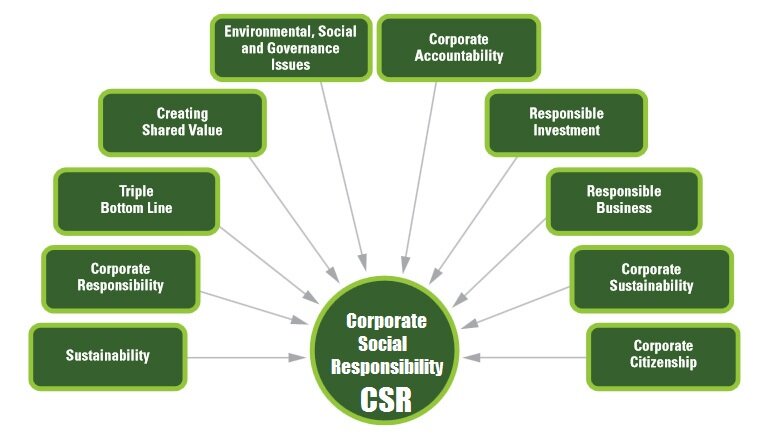
- Corporate Social Responsibility (CSR): The Ministry of Corporate Affairs (MCA) enforces Corporate Social Responsibility (CSR) regulations, requiring companies that meet certain financial criteria to dedicate a part of their profits to social welfare initiatives. This policy promotes active corporate involvement in social and environmental causes, encouraging businesses to adopt ethical and responsible practices.
- Managing the Regulation of Auditors and Professional Roles: The MCA oversees the work of auditors and corporate professionals such as chartered accountants, company secretaries, and cost accountants. It ensures they follow professional standards and act ethically in their work.
- Investor Training and Safety Measures: The MCA promotes investor awareness and safeguards through initiatives like the Investor Education and Protection Fund (IEPF). This ensures that investors know their rights and can make informed and secure financial decisions.
- Reforms and Innovation: The Ministry is working to make business processes easier by introducing reforms like XBRL (eXtensible Business Reporting Language) for better financial reporting and transparency. It has also launched MCA21 Version 3 and other digital tools to improve the ease of doing business in India.

Recent Amendment or Changes on MCA Portal:
The Ministry of Corporate Affairs (MCA) has made several recent amendments to streamline processes and improve ease of doing business for companies and LLPs. Key changes include:
- MCA Portal Version Updates: The update from MCA21 Version 2 to Version 3 is aimed at making the portal easier to use and more efficient. This new version adds useful tools, like the Change Request Form (CRF), which makes the filing process simpler and quicker.
- Relaxation of AGM and EGM Rules: The MCA has extended the deadline for holding Annual General Meetings (AGMs) and Extraordinary General Meetings (EGMs) through video conferencing or other audio-visual means. This option will now be available until September 30, 2024.
- Changes to Director KYC (DIR-3): Directors can now file the DIR-3 KYC form throughout the year, with an additional option to update their personal mobile numbers and email addresses for a fee of Rs. 500.
- Indian Accounting Standards (Ind AS) Amendments: The Companies (Indian Accounting Standards) Amendment Rules, 2023, are designed to make financial reporting clearer and more transparent. These updates aim to bring Indian accounting practices in line with international standards. The changes specifically improve how companies report accounting estimates and deferred taxes, making financial statements easier to understand.
- IEPF Filing Changes: The process for transferring shares to the Investor Education and Protection Fund (IEPF) has been simplified. Several forms have been combined to make reporting easier and more efficient. This change aims to streamline the procedure for businesses, reducing paperwork and saving time.
- Central Processing for Accelerated Corporate Exit (C-PACE): Since May 2023, this initiative has made it quicker and easier to remove inactive companies from the MCA registry. By simplifying the steps, it allows for faster deregistration of defunct companies.
These are amendments reflect the MCA’s ongoing effort to simplify processes, enhance transparency, and promote ease of doing business in India.
Conclusion:

The Ministry of Corporate Affairs plays a vital role in India’s corporate ecosystem, ensuring that businesses comply with regulations, operate transparently, and contribute to economic development. Through continuous reforms and digital advancements, the Ministry is streamlining business processes for greater efficiency. By prioritizing corporate governance, investor protection, and financial transparency, the MCA fosters trust and upholds integrity in the corporate sector.
Disclaimer:
This provided for general informational purposes only and should not be considered as legal advice. For any specific legal matters related to corporate affairs or the Companies Act, 2013, it is advised to consult a qualified legal professional or corporate consultant.