
Startup India Registration: Your Gateway to Tax Benefits and Funding

India’s startup scene is growing quickly, and with the government’s Startup India Scheme, entrepreneurs have a clear way to start and grow their businesses. Registering under this scheme helps you build a solid foundation for your business and offers benefits like tax breaks and easier access to funding. Here’s why registering with Startup India is a great opportunity for new entrepreneurs.

What is Startup India Registration?

Launched by the Indian government in January 2016, Startup India aims to foster innovation, entrepreneurship, and job creation. The program provides benefits such as tax exemptions, simplified regulations, and financial assistance to startups that register under it. To access these advantages, businesses must meet certain eligibility criteria and apply for recognition under the scheme.

Benefits of Startup India Registration

1. Tax Benefits and Exemptions

A major reason to register under Startup India is the significant tax relief it offers. Some key tax benefits include:

  • Income Tax Exemption for 3 Years:

Startups that are registered under the scheme are not required to pay income tax for the first three years, provided they meet specific conditions. This exemption helps reduce financial strain in the initial phase of the business.

  • Tax Deduction on Investment:

Investors who invest in recognized startups are eligible for a 20% tax deduction on their investments under Section 80-IAC of the Income Tax Act.

  • Exemption from Capital Gains Tax:

If a startup raises funds through equity investments, it may be exempt from capital gains tax, which helps make it more appealing to investors.

These tax benefits offer significant relief, allowing startups to use the saved money for business growth, technology, and innovation.

2. Access to Funding

Securing funding is a major challenge for startups, but Startup India helps by providing access to various government-backed funding options, as well as venture capitalists and angel investors. Some of the available options include:

  • Fund of Funds for Startups (FFS): This government initiative invests in venture capital funds to provide startups with funding ranging from ₹10 lakh to ₹10 crore.
  • Credit Guarantee Scheme: This scheme offers a credit guarantee for loans, making it easier for startups to access bank loans at affordable interest rates.
  • Accelerators and Incubators: Startup India connects startups with incubators and accelerators that provide mentorship, workspace, networking, and seed funding to help them grow.

3. Simplified Legal Procedures

The Startup India registration process makes it easier for startups to meet compliance requirements, offering several key benefits. Startups can self-certify their compliance with nine labor and environmental laws, cutting down on paperwork and saving valuable time. The government also offers a 50% discount on patent and trademark filing fees, making it more affordable for startups to safeguard their intellectual property. Moreover, if a startup needs to close, it can do so within 90 days, allowing entrepreneurs a smooth and quick exit from the business.

4. Networking and Mentorship Opportunities

Joining Startup India gives entrepreneurs great networking opportunities. They can meet industry leaders, investors, and other entrepreneurs who can offer advice and support. The government also hosts many events, seminars, and competitions for startups, helping to encourage innovation and growth.

How to Register for Startup India:-

To register as a startup under the Startup India initiative, follow these steps:

  1. Requirements for Eligibility: Make sure your business is a private limited company, partnership, or LLP with an annual turnover below ₹100 crore.
  1. Registration Process: Go to the official Startup India portal and complete the online application. You will be required to provide documents such as proof of registration, your business model, and information about the founders.
  1. Government Recognition: Once your registration is approved, your startup will receive a certificate, unlocking various tax benefits and funding opportunities.

Conclusion:
Registering your startup under the Startup India initiative is more than just a requirement; it offers many benefits that can help your business grow in its early stages. With tax breaks, easier access to funding, simpler rules, and a large support network, Startup India lets entrepreneurs focus on innovation and growth without worrying about financial or legal issues. If you’re an aspiring entrepreneur, don’t miss this chance to give your startup the boost it needs !

Disclaimer:
This blog is for informational purposes only and not legal or financial advice. For accuracy and guidance, please consult a legal or financial expert before registering for Startup India or any business-related matters.

Why Every Startup Needs to Conduct Due Diligence Before a Fundraising Round

In the fast-paced startup world, fundraising rounds are crucial for growth. However, before seeking investment, startups must complete due diligence—an in-depth review of financials, legal documents, intellectual property, and operations. This ensures transparency, reduces risks, and builds investor trust.

Here’s why due diligence is essential before fundraising:

  • Establishes Investor Confidence:

Investors want to be sure that a startup is reliable, stable, and ready to grow. A solid due diligence process shows that the business has been managed properly, with its financial and legal matters in order. When a startup provides clear and organized documentation, it builds trust and confidence in its potential for success.

  • Detects Issues Before They Arise:

 Due diligence helps spot any legal or financial problems that could impact fundraising. Whether it’s an intellectual property dispute, incorrect financial records, or unclear ownership, finding these issues early gives the startup a chance to fix them before approaching investors. This not only builds trust but also reduces the chances of problems during negotiations.

  • Strengthens Valuation:

A through due diligence process ensures a startup’s valuation is accurate, backed by solid data, and includes verification of assets, liabilities, and revenue. This boosts investor confidence and improves the chances of securing favorable investment terms.

  • Enhances Negotiation Leverage:

When investors see a startup is well-prepared and transparent, it boosts the startup’s ability to negotiate better terms. Doing due diligence shows professionalism and readiness, helping secure more favorable conditions during fundraising rounds.

  • Streamlines the Fundraising Process:

Due diligence can take time and effort, but by preparing it ahead of time, startups can simplify the fundraising process. Having all documents and compliance ready reduces the chances of delays or complications during negotiations.

  • Validates compliance with applicable laws:

Investors want assurance that a startup adheres to all necessary regulations, including tax, labor, and industry-specific laws. Due diligence ensures the startup is in compliance, reducing the likelihood of future legal challenges.

Conclusion:
Due diligence is an important step for startups seeking funding. It helps identify and fix issues early, boosts investor confidence, improves negotiations, and prepares the business for growth. Taking time to complete due diligence before fundraising is an investment in the startup’s future success.

Disclaimer:
This blog provides general information and should not be taken as legal or financial advice. For personalized guidance on due diligence or fundraising rounds, it is recommended to consult qualified legal, financial, or business professionals.

Blog on Secretarial Audits: Preventive Measures for Corporate Health

In today’s fast-paced business world, compliance with laws is crucial for smooth operations. One effective way to ensure this is through Secretarial Audits.

A Secretarial Audit is a detailed review of a company’s adherence to laws and regulations, focusing on company law, corporate governance, and legal obligations. It aims to identify non-compliance and recommend corrective actions to ensure full legal compliance.

Importance of Secretarial Audits

  • Conformance to Legal Norms: A secretarial audit ensures the company stays on top of all crucial legal requirements, particularly those outlined in the Companies Act, 2013, and other regulations. Non-compliance can lead to hefty fines, legal troubles, or reputational harm, making audits an indispensable tool for strong corporate governance and long-term success.
  • Risk Prevention for Corporate Stability: A secretarial audit acts as an early warning system for the company, identifying potential risks before they escalate. It helps uncover issues that could harm corporate health, like missed deadlines or governance lapses, enabling swift corrective measures.
  • Advanced Governance Practices: Secretarial audits help companies follow corporate governance best practices, improving transparency, accountability, and ethics, while strengthening stakeholder trust and market position.
  • Minimizing Risks: By spotting and fixing legal, financial, and operational risks early, companies can avoid disruptions and penalties. Regular audits help them stay on top of these risks, ensuring long-term stability.

Key Areas Covered in a Secretarial Audit:

A secretarial audit helps ensure that a company complies with various legal and regulatory requirements. It verifies whether the company adheres to the Companies Act, 2013, including maintaining records, filing annual returns, and holding required meetings. The audit also assesses the company’s corporate governance practices, ensuring that the board operates effectively, there are no conflicts of interest, and shareholder rights are protected. In addition to corporate laws, the audit checks compliance with other legal requirements, such as labor and environmental regulations. While its primary focus is on legal and governance aspects, the audit also ensures that the company follows proper financial reporting and tax compliance.

Benefits of Secretarial Audits

  • Preventing Fines: adhering to the law helps companies steer clear of expensive fines, legal issues, and business interruptions.
  • Cultivating Strong Brand Authority: Companies that maintain strong governance and compliance gain trust and attract investors, customers, and partners.
  • Boosting Operational Effectiveness: Secretarial audits identify weaknesses and areas for improvement, helping companies enhance efficiency.
  • Smart Decisions: The audit offers valuable compliance insights, guiding management in making better business decisions.

Conclusion:

Secretarial audits are key to protecting a company’s legal standing and ensuring long-term success. By proactively ensuring compliance and governance, companies reduce risks, enhance transparency, and stay within the law. Regular audits promote strong corporate practices, fostering sustainable growth and business resilience.

Disclaimer:
This blog is for informational purposes only and should not be considered legal advice. For specific concerns related to secretarial audits, corporate compliance, or any other legal matter, it is recommended to consult a qualified professional or corporate consultant.

Foreign Direct Investment (FDI) in Limited Liability Partnerships (LLPs)

Foreign Direct Investment (FDI) is important for economic growth and globalization. It helps businesses expand, innovate, and compete worldwide. In India, FDI is now allowed not just in companies but also in Limited Liability Partnerships (LLPs), providing new opportunities for foreign investors and Indian businesses.

Understanding LLPs and FDI:-

A Limited Liability Partnership (LLP) is a business structure that combines the flexibility of a partnership with the limited liability protection of a company. It is popular among small and medium businesses because it offers simpler compliance, tax advantages, and ease of operation. With FDI now allowed in LLPs, they have become a great option for foreign investors.

FDI Policy for LLPs in India:-

The Government of India has allowed FDI in LLPs under specific guidelines to ensure transparency and compliance with regulatory standards. Key highlights of the FDI policy for LLPs include:

  • Automatic Approval Process: FDI is allowed under the automatic route for LLPs operating in sectors where 100% FDI is permitted without restrictions, such as retail trading and manufacturing. The LLP must adhere to sectoral caps and applicable conditions similar to those for the companies.
  • Restricted Sectors: LLPs are not allowed to accept FDI in sectors where foreign investment is prohibited such as agriculture, real estate, and gambling.
  • Capital Contribution: Foreign investors can put money into LLPs, but LLPs are not allowed to raise funds through external commercial borrowings (ECBs) under current rules.
  • Company to LLP Conversion: Companies with FDI can be converted into LLPs if they operate in sectors that allow 100% FDI under the automatic route.
  • Profit Remittance:-LLPs with FDI can repatriate profits without needing additional approvals, making it an attractive option for foreign investors.

Advantages of FDI in LLPs :-

FDI in LLPs offers multiple advantages for both foreign investors and the Indian economy.

  • Autonomy in Operations: LLPs have a simpler structure than companies, which makes it easier for foreign investors to meet requirements.
  • Cost-Effectiveness: LLPs have lower running and compliance costs, making them a more affordable investment choice.
  • Models for Distributing Profit: The flexible profit-sharing system of LLPs is a good fit for the interests of foreign investors.
  • Operational Ease: The simple FDI process through the automatic route makes it easier for foreign investors to enter the Indian market.

Challenges and Considerations:-

While FDI in LLPs presents significant opportunities, it also comes with challenges:

  • Restricted Sectors: Investors should carefully review sector restrictions to ensure they comply with the regulations.
  • Limited Funding Options: The ban on ECBs restricts external borrowing options for LLPs.
  • Regulatory Compliance: It is essential to follow FDI rules, tax regulations, and reporting requirements to prevent penalties.

Conclusion:

FDI in LLPs is a strategic decision that aligns with India’s aim of fostering a business-friendly environment and drawing global investments. LLPs offer foreign investors a strong combination of flexibility, transparency, and cost-effectiveness. By navigating the regulations and leveraging the benefits of this structure, investors can tap into the vast opportunities within the Indian market and contribute to its economic growth.

With changing policies and growing investor interest, FDI in LLPs is set to play a significant role in shaping India’s business landscape.

Disclaimer:
The views in this blog are solely those of the author(s) and may not reflect the position of any mentioned organization. The content is for informational purposes only, and the author(s) are not responsible for any actions taken based on it. Readers should verify the information independently.

 A Look into the Key Functions of the Ministry of Corporate Affairs

The Ministry of Corporate Affairs (MCA) in India plays a key role in managing and regulating business activities across the country. Its main job is to make sure companies follow the rules set out in the Companies Act, 2013, and other related laws. The MCA is in charge of registering companies, ensuring they meet all legal requirements, and submitting necessary reports. It also works to ensure businesses operate responsibly by promoting transparency, fairness, and good corporate governance, which helps maintain trust and accountability in India’s corporate world.

Key Functions:

  • Overseeing Companies: The MCA is responsible for enforcing the rules of the Companies Act, 2013, which outlines how companies are formed, run, and closed. The MCA ensures that companies follow these laws, file their reports on time, and keep their financial records clear and accurate for the public.
  • Corporate Leadership and Investor Safety: The MCA sets rules to help companies manage well and act with honesty. It also makes sure companies provide the right information and follow auditing rules, protecting investors. This helps prevent fraud and dishonest actions.
  • Setup and Legal Conformance: The MCA simplifies company registration and incorporation through its online platform, the MCA21 portal. This portal helps businesses easily file forms, meet legal requirements, and track their submissions. It also provides services like filing returns, paying fees, and accessing company details, making the entire process quicker and more user-friendly.
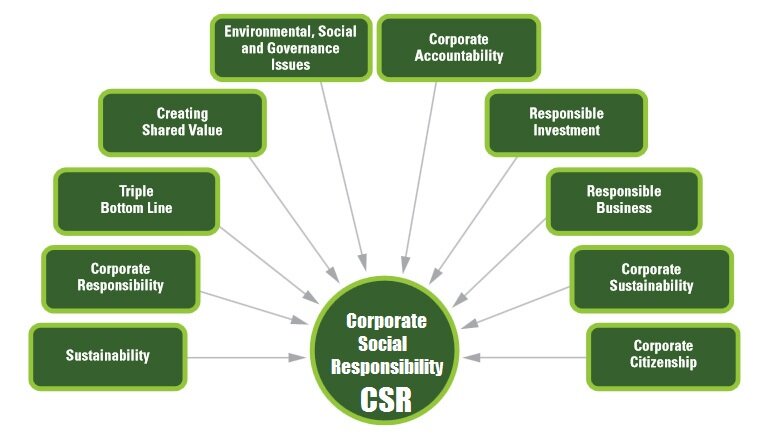
  • Corporate Social Responsibility (CSR): The Ministry of Corporate Affairs (MCA) enforces Corporate Social Responsibility (CSR) regulations, requiring companies that meet certain financial criteria to dedicate a part of their profits to social welfare initiatives. This policy promotes active corporate involvement in social and environmental causes, encouraging businesses to adopt ethical and responsible practices.
  • Managing the Regulation of Auditors and Professional Roles:  The MCA oversees the work of auditors and corporate professionals such as chartered accountants, company secretaries, and cost accountants. It ensures they follow professional standards and act ethically in their work.

  • Investor Training and Safety Measures: The MCA promotes investor awareness and safeguards through initiatives like the Investor Education and Protection Fund (IEPF). This ensures that investors know their rights and can make informed and secure financial decisions.

  • Reforms and Innovation: The Ministry is working to make business processes easier by introducing reforms like XBRL (eXtensible Business Reporting Language) for better financial reporting and transparency. It has also launched MCA21 Version 3 and other digital tools to improve the ease of doing business in India.

Recent Amendment or Changes on MCA Portal:

The Ministry of Corporate Affairs (MCA) has made several recent amendments to streamline processes and improve ease of doing business for companies and LLPs. Key changes include:

  • MCA Portal Version Updates: The update from MCA21 Version 2 to Version 3 is aimed at making the portal easier to use and more efficient. This new version adds useful tools, like the Change Request Form (CRF), which makes the filing process simpler and quicker.
  • Relaxation of AGM and EGM Rules: The MCA has extended the deadline for holding Annual General Meetings (AGMs) and Extraordinary General Meetings (EGMs) through video conferencing or other audio-visual means. This option will now be available until September 30, 2024.
  • Changes to Director KYC (DIR-3): Directors can now file the DIR-3 KYC form throughout the year, with an additional option to update their personal mobile numbers and email addresses for a fee of Rs. 500.
  • Indian Accounting Standards (Ind AS) Amendments: The Companies (Indian Accounting Standards) Amendment Rules, 2023, are designed to make financial reporting clearer and more transparent. These updates aim to bring Indian accounting practices in line with international standards. The changes specifically improve how companies report accounting estimates and deferred taxes, making financial statements easier to understand.
  • IEPF Filing Changes: The process for transferring shares to the Investor Education and Protection Fund (IEPF) has been simplified. Several forms have been combined to make reporting easier and more efficient. This change aims to streamline the procedure for businesses, reducing paperwork and saving time.
  • Central Processing for Accelerated Corporate Exit (C-PACE): Since May 2023, this initiative has made it quicker and easier to remove inactive companies from the MCA registry. By simplifying the steps, it allows for faster deregistration of defunct companies.

These are amendments reflect the MCA’s ongoing effort to simplify processes, enhance transparency, and promote ease of doing business in India.

Conclusion:

The Ministry of Corporate Affairs plays a vital role in India’s corporate ecosystem, ensuring that businesses comply with regulations, operate transparently, and contribute to economic development. Through continuous reforms and digital advancements, the Ministry is streamlining business processes for greater efficiency. By prioritizing corporate governance, investor protection, and financial transparency, the MCA fosters trust and upholds integrity in the corporate sector.

Disclaimer:
This provided for general informational purposes only and should not be considered as legal advice. For any specific legal matters related to corporate affairs or the Companies Act, 2013, it is advised to consult a qualified legal professional or corporate consultant.