
What is Passing Off?

Passing off happens when someone pretends their products, services, or business are connected to another brand, causing confusion and harming the original brand’s reputation. It helps protect unregistered trademarks and allows well-known businesses to defend themselves.
Key Elements of Passing Off
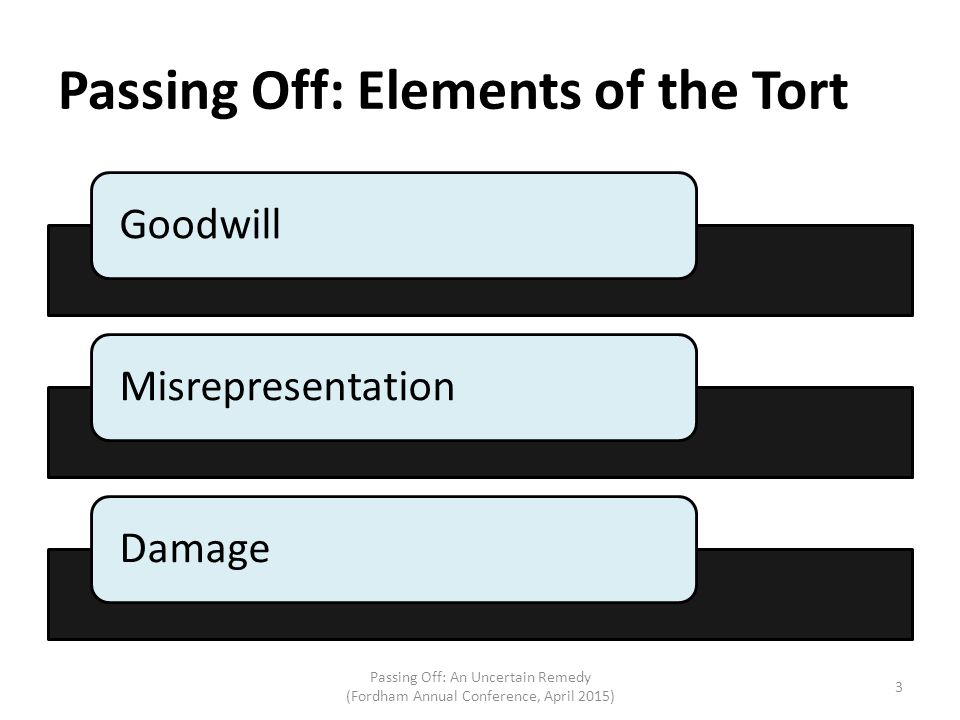
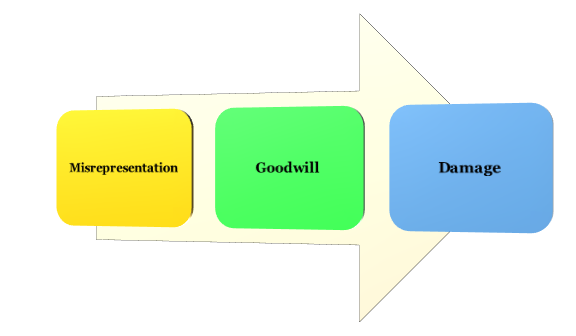
To win a passing-off case, the plaintiff must prove three key elements, commonly known as the “classic trinity” or the Three-Part Test:
- Goodwill
The plaintiff must prove that their business or product is popular and has a good reputation, connected to something unique like a name, logo, or design that makes it easy to recognize.
- Untruthful statement
The defendant must have wrongly claimed, whether intentionally or not, that their products or services are related to the plaintiff’s. This could involve using similar packaging, logos, or branding. - Damage
The plaintiff must prove that the false claim has caused or could cause harm to their reputation. This might include losing customers, lowering the brand’s value, or damaging their reputation.
Forms of Passing Off
Passing off can happen in different ways, including:
- Classic Passing Off: Copying the plaintiff’s logo or design.
- Extended Passing Off: Misleading customers about the quality or type of product or service, like falsely claiming something is “organic” or “genuine.”
- Reverse Passing Off: Selling the plaintiff’s product under the defendant’s own brand name.
Case Studies
- Reckitt & Colman Ltd v. Borden Inc. (1990)
In the “Jif Lemon case,” the court ruled that Jif Lemon’s distinctive lemon-shaped bottle was closely associated with its brand. Borden Inc. copied this packaging, causing customer confusion, which was deemed passing off.

- Cadbury Schweppes v. Pub Squash (1981)
Cadbury took legal action when Pub Squash used packaging and marketing that resembled Cadbury’s “Solo” drink. The court agreed with Cadbury, highlighting that this could cause confusion among consumers.
Why is Passing Off Important?
- Preserving brand value: Passing off helps protect the value of a brand built on consistent quality and customer trust.
- Ensuring fair market practices: It prevents businesses from unfairly benefiting from someone else’s reputation.
- Consumer safety: Passing off protects consumers from being deceived into buying fake or low-quality products.
Defenses Against Passing Off
Defendants may counter a passing-off claim by arguing:
- The plaintiff doesn’t have a strong reputation in the market.
- No misleading claim was made.
- The branding is similar by chance, and customers are not likely to get confused.
- The defendant used the mark honestly, or the mark is common and not unique.
Conclusion:

Passing off is an important part of intellectual property law, giving protection to businesses without registered trademarks. It focuses on the value of goodwill, fairness, and honesty in the market, helping to protect both brands and customers from dishonest actions. As businesses continue to grow online, passing off remains crucial in keeping trust and authenticity in the marketplace.
Disclaimer:
This blog offers general information on trademark passing off in India and is not legal advice. Trademark issues can be complex, so for personalized guidance, it’s best to consult a qualified intellectual property lawyer.