
In business, following legal rules is not just a requirement, but also important for maintaining a company’s reputation and trustworthiness. One of the key authorities that companies need to follow in India is the Registrar of Companies (ROC). The ROC plays an important role in overseeing companies and Limited Liability Partnerships (LLPs). In this blog, we will discuss why it’s necessary for companies to comply with ROC regulations and how it benefits businesses. Confirms the Company’s Legal Status
For a company to operate legally, it must be registered with the ROC. This registration provides the company with its legal identity, allowing it to sign contracts, take legal actions, and conduct business. Adhering to ROC regulations ensures the company remains legally recognized and can continue its operations.
If a company fails to comply with ROC filing requirements, it may face penalties, disqualification, or even closure, which could disrupt its ability to function
- Supports honesty and trustworthiness
A key goal of ROC compliance is to ensure transparency. By requiring companies to file financial statements, annual reports, and other documents, the ROC holds them accountable. These filings give a clear view of the company’s financial health and operations.
This transparency helps stakeholders like investors, creditors, and employees make informed decisions. Without regular filings, it’s harder to track a company’s performance, increasing the risk of fraud or mismanagement.

- Improves Standing Among Investors and Stakeholders
In today’s competitive business world, companies are often evaluated based on how transparent they are and how well they follow legal requirements. Companies that regularly file their returns and follow ROC rules are viewed as more reliable and trustworthy by investors, lenders, and business partners.
Investors and other stakeholders are more likely to work with companies that follow ROC’s legal and financial regulations. Compliance shows that the company is serious about its operations and committed to ethical practices, helping to attract investment and build long-term business relationships.
- Maintains Corporate Governance Standards
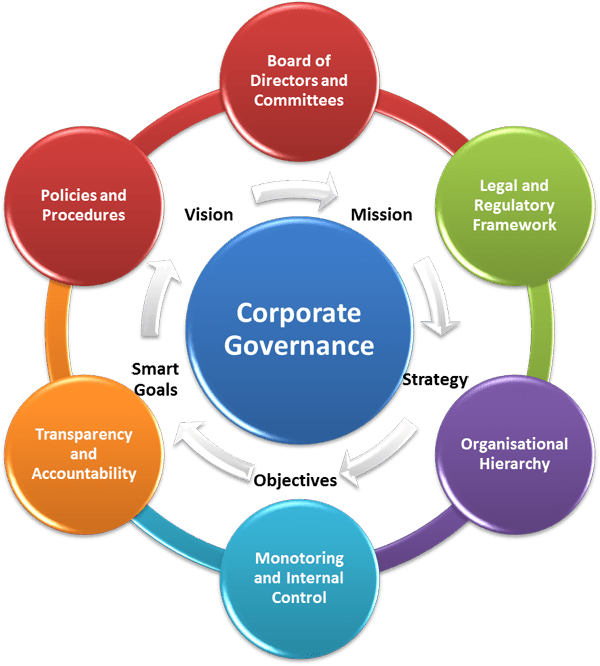
Corporate governance is the system that helps manage and guide how a company runs. Good corporate governance means being transparent, accountable, and fair in managing the company. ROC compliance plays a key role in this, making sure companies follow the necessary laws and rules.
By following ROC rules, companies must have strong internal controls, conduct yearly audits, and maintain accurate financial records. This helps stop fraud and encourages a culture of honesty and good management within the company.
- Helps in Business Continuity and Growth
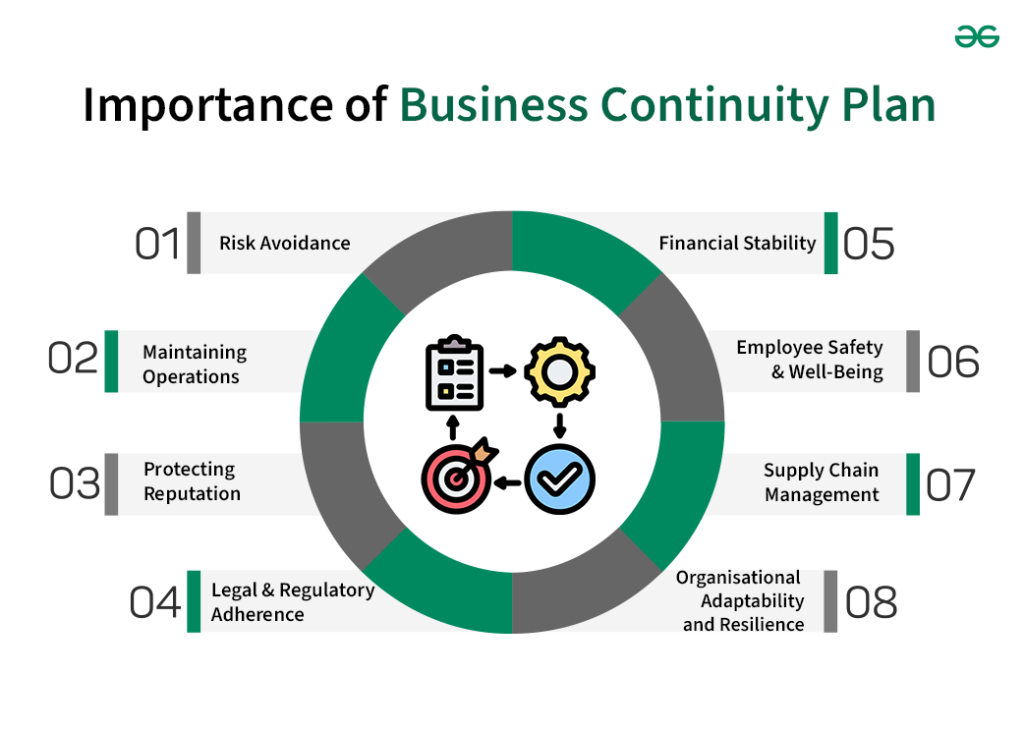
For any business, growth and long-term success are important goals. Following ROC (Registrar of Companies) rules is necessary to keep things running smoothly. By filing regularly with the ROC, a company stays legally recognized and keeps its operating licenses. This also helps avoid problems with government authorities that could interfere with business.
Staying compliant with ROC rules shows the company is committed to doing things legally and ethically, which makes it more attractive to investors, partners, and customers. This can lead to opportunities for business growth, mergers, and acquisitions.

- Facilitates Regulatory Audits and Investigations
For any business, achieving growth and ensuring long-term success are crucial objectives. Complying with ROC (Registrar of Companies) regulations is essential for smooth operations. Regular ROC filings ensure the company remains legally recognized and retains its operating licenses, preventing any issues with government authorities that could disrupt business.
Being compliant with ROC requirements reflects the company’s commitment to legal and ethical standards, making it more appealing to investors, partners, and customers. This can create opportunities for business expansion, mergers, and acquisitions.
Conclusion:
ROC compliance is more than a legal requirement; it ensures a company’s legal status, transparency, and credibility. It prevents legal issues and strengthens trust among stakeholders. By following these rules, businesses attract investors, promote good governance, and secure long-term growth and stability.
Disclaimer:
This blog is intended for informational purposes and does not constitute legal advice. Compliance with the Companies Act, 2013, and other relevant statutory requirements is essential. For personalized advice on ROC compliance, please consult a qualified professional.