Unregistered Trademark in India

An unregistered trademark refers to any symbol, word, logo, design, or sign used by a business to distinguish its products or services from others, without being officially registered with the appropriate trademark authority (like the Trademark Office in India). While the absence of registration might seem insignificant, it carries important legal and business consequences.

Key Features of Unregistered Trademarks:

  • Common Law Rights: In places like India, businesses can gain limited legal rights to an unregistered trademark just by using it in commerce. However, these rights are limited to the area where the mark is recognized and used, without the benefits of formal registration.
  • Limited Legal Protection: One significant disadvantage of unregistered trademarks is the absence of nationwide protection. If a competitor adopts a similar mark, it can be difficult to prove ownership and defend against potential infringement without having the mark registered.
  • Challenges in Enforcement: Without official registration, enforcing trademark rights becomes more complex. Businesses with unregistered trademarks may find it harder to stop others from using similar marks, particularly when the infringing business operates in another jurisdiction.
  • No Exclusive Rights:  Unregistered trademarks don’t provide exclusive rights to their use across the entire country. While the first user of the mark may have some legal protection, proving this claim can be difficult without the official backing of registration.

Protection of Unregistered Trademarks:

  • Unregistered trademarks are protected under the principle of passing off.
  • This principle prevents others from falsely linking their goods or services to your business.
  • It safeguards your business reputation from being misused by others.

Advantages & Disadvantages of Unregistered Trademark:

  Advantages  Disadvantages
There is no requirement to complete a formal registration process.Unregistered trademarks do not provide the same level of protection as registered trademarks.
You can still protect your trademark under the passing off law, which prevents others from misusing it.Proving ownership and defending against infringement can be challenging without official registration.
You can use the trademark while deciding whether to apply for registration later.Others can legally use similar marks unless you can prove your reputation and goodwill in the market.
You can start using the trademark right away without waiting for approval or registration.In a dispute, you must prove that your trademark has been used and is associated with your business, which can be time-consuming and costly.

Enforcing Rights for Unregistered Trademark:

The owner can take legal action by filing a civil suit for passing off. Possible remedies include an injunction to halt the infringing activity, compensation for damages, and/or a claim for the profits earned from the infringement.

Best Practices for Unregistered Trademark:

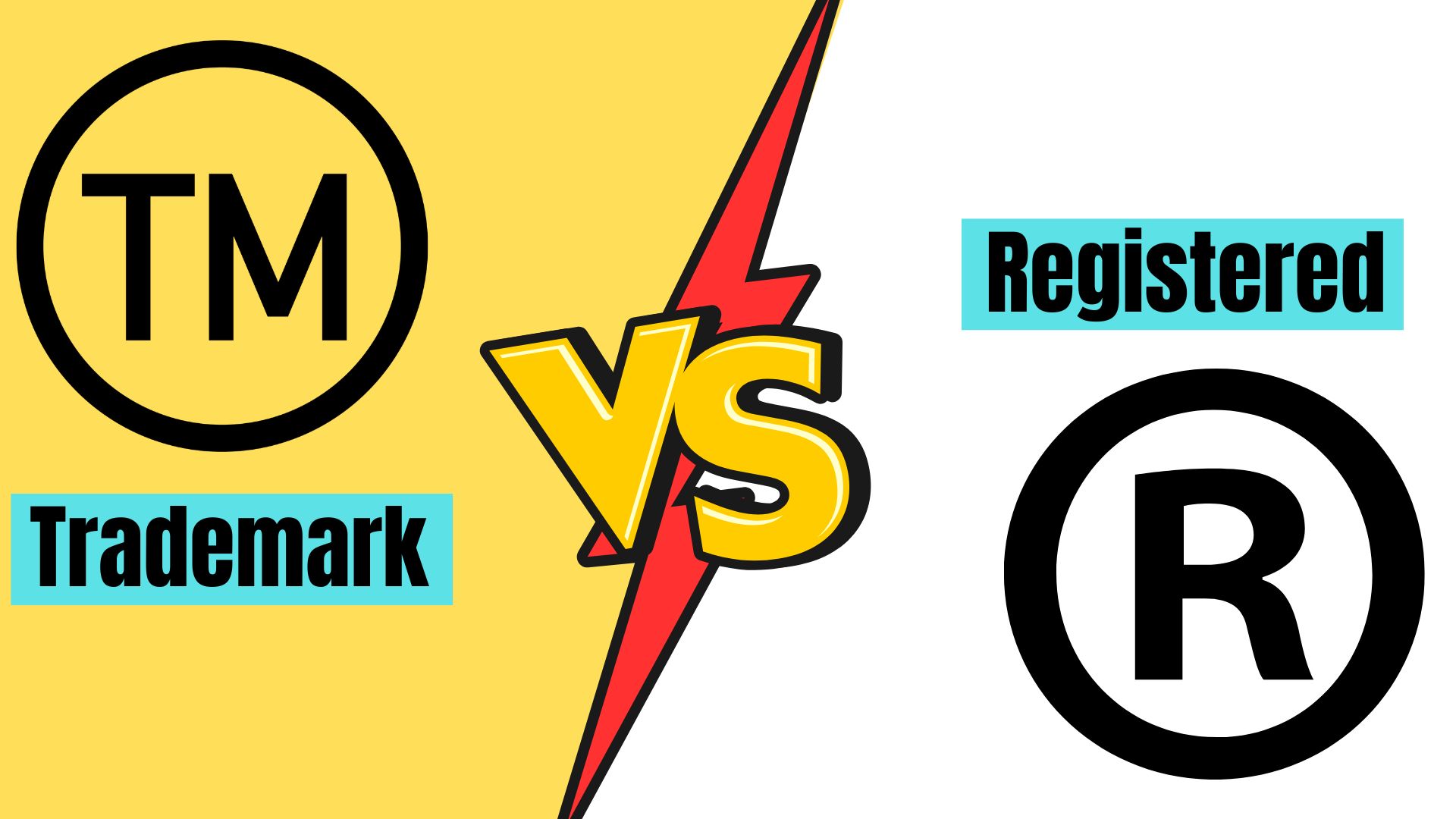
  • Use the ™ symbol consistently to show your intent to claim ownership of the trademark.
  • Keep records of how and when the trademark is used, along with marketing efforts, to build goodwill.
  • Regularly monitor the market to spot any potential infringements.

Case Study: Parle-G: The Gluco Biscuit Challenge

Background: Parle-G, a cherished biscuit brand in India, functioned for years without registering its trademark. Despite the widespread recognition of its iconic yellow packaging and child logo, counterfeit products like “Parle-D” and “Parle-Gluco” began to appear, mimicking the brand’s identity and creating market confusion.

Challenges: Without a registered trademark, Parle had a weak legal position, making it hard to take action against copycats and protect its brand.

Resolution: Realizing the need for legal protection, Parle finally registered its trademark. This allowed the company to fight counterfeiting effectively and protect its reputation as a trusted brand.

Conclusion:

While an unregistered trademark provides some protection, it comes with more risks compared to official registration. Registering your trademark grants you stronger legal rights, enhanced protection against infringement, and greater ability to enforce your trademark. If you’re committed to safeguarding your brand, trademark registration is a wise and beneficial step.

Disclaimer:
This blog is intended for general informational purposes only and does not constitute legal advice. Trademark laws can be intricate and vary based on your specific location and circumstances. For tailored advice, it is advisable to seek assistance from a qualified trademark attorney or legal professional.

Understanding the Differences between Trademark, Patent and Copyright Registration

Understanding the differences between copyrights, trademarks, and patents is crucial for protecting intellectual property (IP). These three forms of protection allow individuals and businesses to safeguard their creative works, designs, and inventions. Each type serves a unique purpose and offers specific protection. Let’s dive into how they differ and how each can benefit you.

Copyright Registration

What is Copyright?

Copyright is a legal protection for creators of original works like books, music, art, and plays. It gives the creator exclusive rights to copy, share, and display their work.

What Does Copyright Protect?

  • Written works like books, articles, and websites
  • Music, audio recordings, and song lyrics
  • Films, plays, and other performance-based works
  • Visual art, such as paintings and sculptures
  • Computer software programs

Benefits of Copyright:

  • Exclusive Rights: Creators have the exclusive right to use, distribute, and sell their works.
  • Protection Against Unauthorized Use: Prevents others from using or copying the work without permission.
  • Monetary Gains: Creators can license or sell their works, earning royalties.
  • Moral Rights: Protects the creator’s reputation and ensures proper credit for their work.
  • Legal Recourse: Provides the option to take legal action against infringement.

Trademark Registration

What is a Trademark?

A trademark is a symbol, word, phrase, logo, or design that is legally registered or recognized to represent a business or its products/services. It helps distinguish the goods or services of one company from those of others, offering protection against unauthorized use or imitation by competitors.

What Does Trademark Protect?

  • Brand names and logos
  • Slogans or taglines
  • Product packaging and design
  • Unique colors or shapes linked to your products
  • Specific brand symbols

Benefits of Trademark:

  • Brand Protection: Safeguards your brand identity from being used by others.
  • Consumer Trust: Builds recognition and trust with consumers, ensuring they can distinguish your brand.
  • Asset Value: Ads value to your business as it can be bought, sold, or licensed.
  • Global Reach: Protects your brand internationally with proper registration.

Patent Registration

What is a Patent?

A patent is a legal right granted to an inventor for a new and innovative invention or process. It gives the inventor exclusive rights to manufacture, use, or sell the invention for a certain period, usually 20 years, and stops others from doing the same without the inventor’s permission.

What Does a Patent Protect?

  • New Inventions: Any novel product, process, or technology that hasn’t been publicly disclosed before.
  • Innovative Processes: Unique methods or procedures used to create a product or achieve a result.
  • Designs: Original designs of manufactured items or product aesthetics.
  • Use of Products: Exclusive rights to use the invention in a specific way.
  • Manufacturing Methods: Protects the techniques used to create or improve products.

Benefits of Patent:

  • Grants exclusive rights to manufacture and sell the patented invention for a fixed duration (usually 20 years).
  • Stops others from creating or selling the same invention without consent.
  • Offers the opportunity to earn revenue by licensing or selling the invention.

Key Differences between Copyright, Trademark, and Patent:-

Factor    Copyright  Trademark  Patent
 PurposeSafeguards original creations of authorship, ensuring creators control the use of their work.Protects distinctive symbols, names, or marks that represent a brand and distinguish it from others.Protects new inventions or technological processes, giving inventors exclusive rights to their creation.
What is ProtectedSafeguards original works like books, art, and music.Protects brand elements like logos, names, and slogans.Protects new inventions, processes, and designs.
DurationStays valid for the author’s lifetime, with protection extending 50-70 years after their death.Lasts as long as the trademark is in active use.  Generally, it is valid for 20 years from the filing date.
EligibilityAutomatically granted when the work is created.Needs to be officially registered with the appropriate authorities.  Must satisfy requirements for novelty and inventiveness.
     ProtectionGrants exclusive rights to reproduce, share, and showcase the work.Protects against unauthorized use of similar logos, names, or branding by others.Gives the exclusive right to manufacture, utilize, and distribute the invention.

Conclusion:
In conclusion, copyright provides creators with essential protection for their original works, giving them exclusive rights to reproduce, distribute, and display their creations. This legal safeguard encourages innovation and ensures that creators can benefit from their efforts.

Disclaimer:
This blog is for informational purposes and does not offer legal or financial advice. For specific advice on copyright, trademark, or patent registration, it is recommended to seek guidance from a legal or intellectual property expert.

Passing off Trademark in India

What is Passing Off?

Passing off happens when someone pretends their products, services, or business are connected to another brand, causing confusion and harming the original brand’s reputation. It helps protect unregistered trademarks and allows well-known businesses to defend themselves.

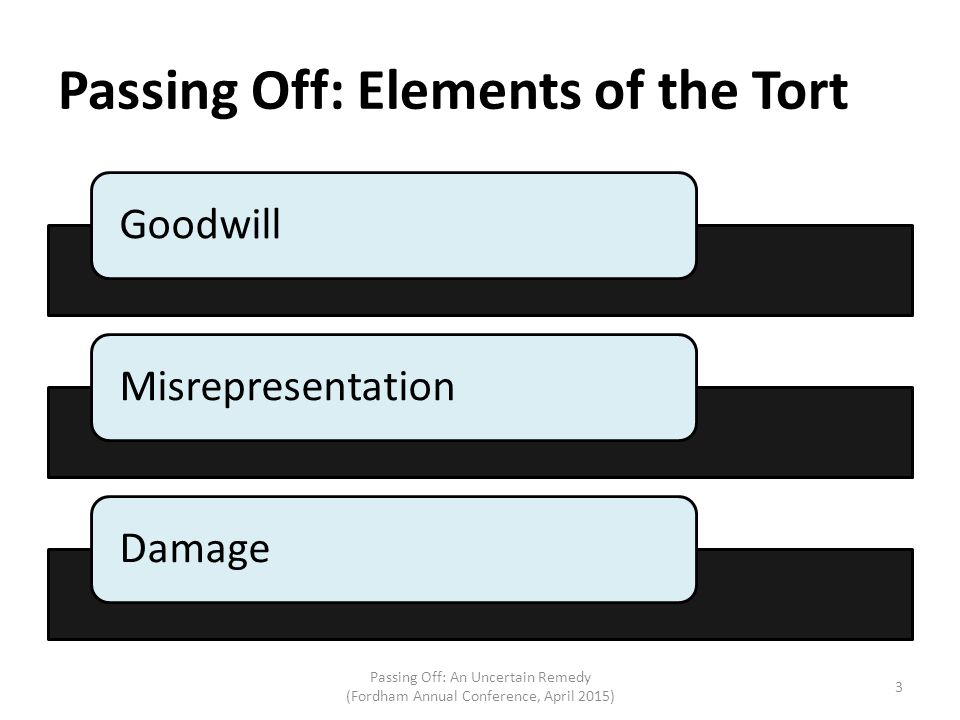
Key Elements of Passing Off

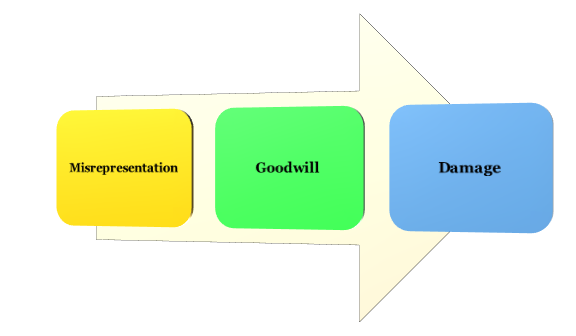
Goodwill. Misrepresentation. Damage. Passing Off: An Uncertain Remedy (Fordham Annual Conference, April 2015)

To win a passing-off case, the plaintiff must prove three key elements, commonly known as the “classic trinity” or the Three-Part Test:

  • Goodwill
    The plaintiff must prove that their business or product is popular and has a good reputation, connected to something unique like a name, logo, or design that makes it easy to recognize.
  • Untruthful statement
    The defendant must have wrongly claimed, whether intentionally or not, that their products or services are related to the plaintiff’s. This could involve using similar packaging, logos, or branding.
  • Damage
    The plaintiff must prove that the false claim has caused or could cause harm to their reputation. This might include losing customers, lowering the brand’s value, or damaging their reputation.

Forms of Passing Off

Passing off can happen in different ways, including:

  • Classic Passing Off: Copying the plaintiff’s logo or design.
  • Extended Passing Off: Misleading customers about the quality or type of product or service, like falsely claiming something is “organic” or “genuine.”
  • Reverse Passing Off: Selling the plaintiff’s product under the defendant’s own brand name.

Case Studies

  • Reckitt & Colman Ltd v. Borden Inc. (1990)
    In the “Jif Lemon case,” the court ruled that Jif Lemon’s distinctive lemon-shaped bottle was closely associated with its brand. Borden Inc. copied this packaging, causing customer confusion, which was deemed passing off.
  • Cadbury Schweppes v. Pub Squash (1981)
    Cadbury took legal action when Pub Squash used packaging and marketing that resembled Cadbury’s “Solo” drink. The court agreed with Cadbury, highlighting that this could cause confusion among consumers.

Why is Passing Off Important?

  • Preserving brand value:  Passing off helps protect the value of a brand built on consistent quality and customer trust.
  • Ensuring fair market practices:  It prevents businesses from unfairly benefiting from someone else’s reputation.
  • Consumer safety: Passing off protects consumers from being deceived into buying fake or low-quality products.

Defenses Against Passing Off

Defendants may counter a passing-off claim by arguing:

  • The plaintiff doesn’t have a strong reputation in the market.
  • No misleading claim was made.
  • The branding is similar by chance, and customers are not likely to get confused.
  • The defendant used the mark honestly, or the mark is common and not unique.

Conclusion:

Passing off is an important part of intellectual property law, giving protection to businesses without registered trademarks. It focuses on the value of goodwill, fairness, and honesty in the market, helping to protect both brands and customers from dishonest actions. As businesses continue to grow online, passing off remains crucial in keeping trust and authenticity in the marketplace.

Disclaimer:
This blog offers general information on trademark passing off in India and is not legal advice. Trademark issues can be complex, so for personalized guidance, it’s best to consult a qualified intellectual property lawyer.