
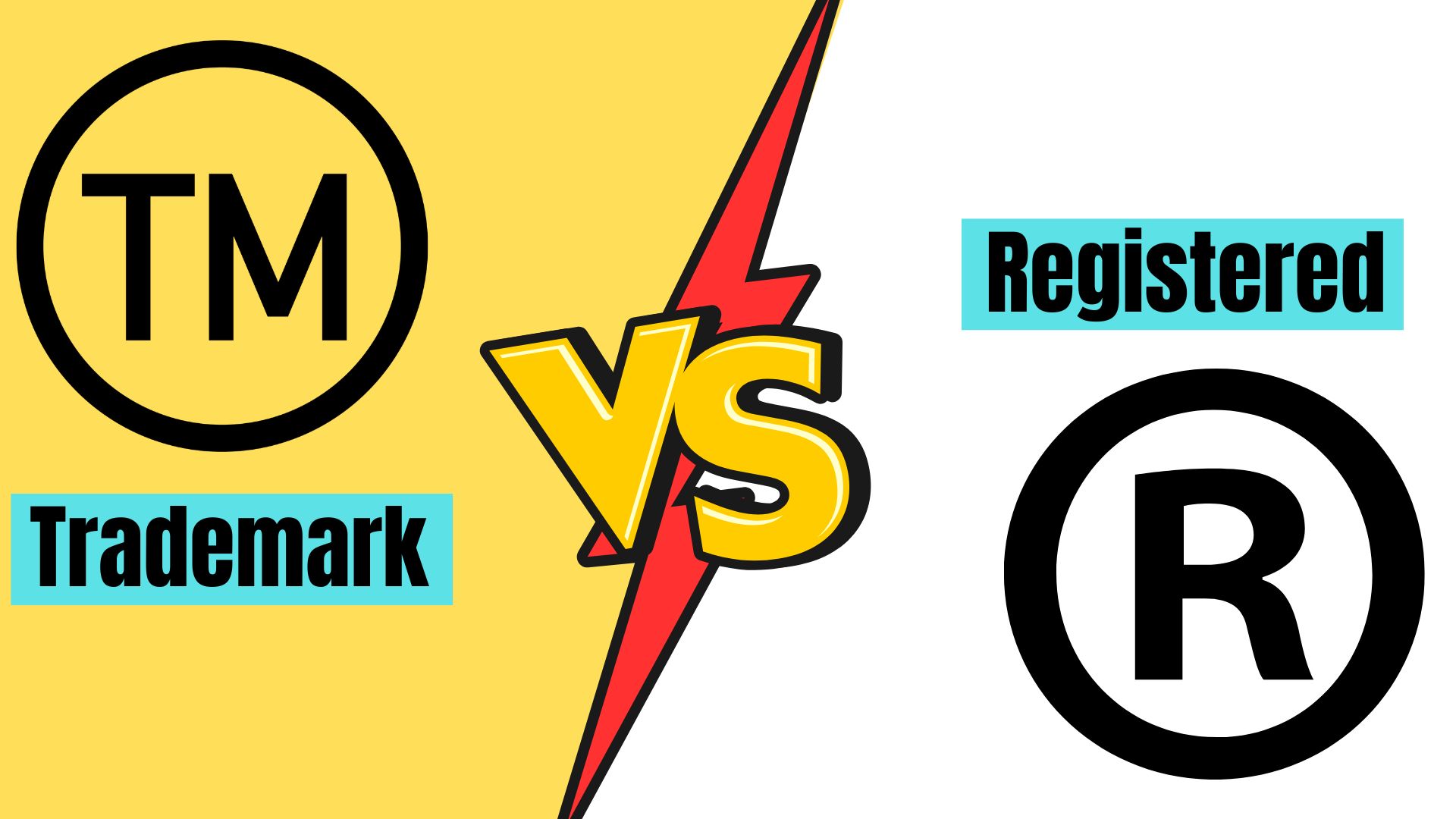
An unregistered trademark refers to any symbol, word, logo, design, or sign used by a business to distinguish its products or services from others, without being officially registered with the appropriate trademark authority (like the Trademark Office in India). While the absence of registration might seem insignificant, it carries important legal and business consequences.
Key Features of Unregistered Trademarks:

- Common Law Rights: In places like India, businesses can gain limited legal rights to an unregistered trademark just by using it in commerce. However, these rights are limited to the area where the mark is recognized and used, without the benefits of formal registration.
- Limited Legal Protection: One significant disadvantage of unregistered trademarks is the absence of nationwide protection. If a competitor adopts a similar mark, it can be difficult to prove ownership and defend against potential infringement without having the mark registered.
- Challenges in Enforcement: Without official registration, enforcing trademark rights becomes more complex. Businesses with unregistered trademarks may find it harder to stop others from using similar marks, particularly when the infringing business operates in another jurisdiction.
- No Exclusive Rights: Unregistered trademarks don’t provide exclusive rights to their use across the entire country. While the first user of the mark may have some legal protection, proving this claim can be difficult without the official backing of registration.
Protection of Unregistered Trademarks:
- Unregistered trademarks are protected under the principle of passing off.
- This principle prevents others from falsely linking their goods or services to your business.
- It safeguards your business reputation from being misused by others.
Advantages & Disadvantages of Unregistered Trademark:

| Advantages | Disadvantages |
| There is no requirement to complete a formal registration process. | Unregistered trademarks do not provide the same level of protection as registered trademarks. |
| You can still protect your trademark under the passing off law, which prevents others from misusing it. | Proving ownership and defending against infringement can be challenging without official registration. |
| You can use the trademark while deciding whether to apply for registration later. | Others can legally use similar marks unless you can prove your reputation and goodwill in the market. |
| You can start using the trademark right away without waiting for approval or registration. | In a dispute, you must prove that your trademark has been used and is associated with your business, which can be time-consuming and costly. |
Enforcing Rights for Unregistered Trademark:
The owner can take legal action by filing a civil suit for passing off. Possible remedies include an injunction to halt the infringing activity, compensation for damages, and/or a claim for the profits earned from the infringement.
Best Practices for Unregistered Trademark:
- Use the ™ symbol consistently to show your intent to claim ownership of the trademark.
- Keep records of how and when the trademark is used, along with marketing efforts, to build goodwill.
- Regularly monitor the market to spot any potential infringements.
Case Study: Parle-G: The Gluco Biscuit Challenge

Background: Parle-G, a cherished biscuit brand in India, functioned for years without registering its trademark. Despite the widespread recognition of its iconic yellow packaging and child logo, counterfeit products like “Parle-D” and “Parle-Gluco” began to appear, mimicking the brand’s identity and creating market confusion.
Challenges: Without a registered trademark, Parle had a weak legal position, making it hard to take action against copycats and protect its brand.
Resolution: Realizing the need for legal protection, Parle finally registered its trademark. This allowed the company to fight counterfeiting effectively and protect its reputation as a trusted brand.
Conclusion:

While an unregistered trademark provides some protection, it comes with more risks compared to official registration. Registering your trademark grants you stronger legal rights, enhanced protection against infringement, and greater ability to enforce your trademark. If you’re committed to safeguarding your brand, trademark registration is a wise and beneficial step.
Disclaimer:
This blog is intended for general informational purposes only and does not constitute legal advice. Trademark laws can be intricate and vary based on your specific location and circumstances. For tailored advice, it is advisable to seek assistance from a qualified trademark attorney or legal professional.